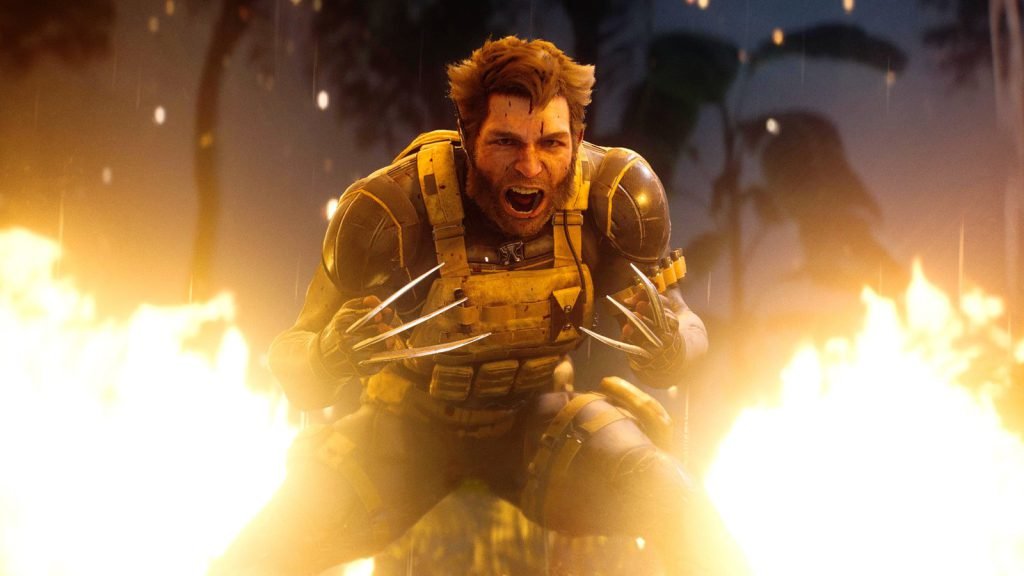
I went into Marvel’s Wolverine partly because I wanted to see whether all the criticism around it matched the game I was about to play. About 32 hours later, after finishing the campaign and side content on Hard difficulty and earning the Platinum, I understood some of the complaints better, but I also had a lot of fun.
Wolverine is a fun, focused action game, and I think its linear structure works in its favor. My bigger problem is that it keeps introducing ideas I like, then stopping right when I want them to go a little further.
Combat is where I felt that first, but it wasn’t the only place. I kept running into the same feeling with Wolverine’s perks, level design, and story. I liked what was there, but I kept wishing the game gave its best ideas a little more room to grow.
I Had More Fun With Wolverine’s Combat Than I Expected
One of the bigger complaints I’ve seen was that the combat was mostly just mashing Square. That wasn’t the case with my playthrough.
Playing on “The Weapon”, the game’s hard difficulty, all enemies hit hard enough that I had to really use more of the combat system to manage crowd control, deciding which enemies to take out first, using Rage and abilities, and mixing up attack strings to quickly take out spongy minibosses. Bosses pushed that even further, forcing me to be patient, learn their attacks, and get the parry timing down or I’d find myself dying pretty often. It still feels like a beat ‘em-up, but mashing Square repeatedly wasn’t gonna cut it.
More importantly, fighting as Wolverine is really fun.
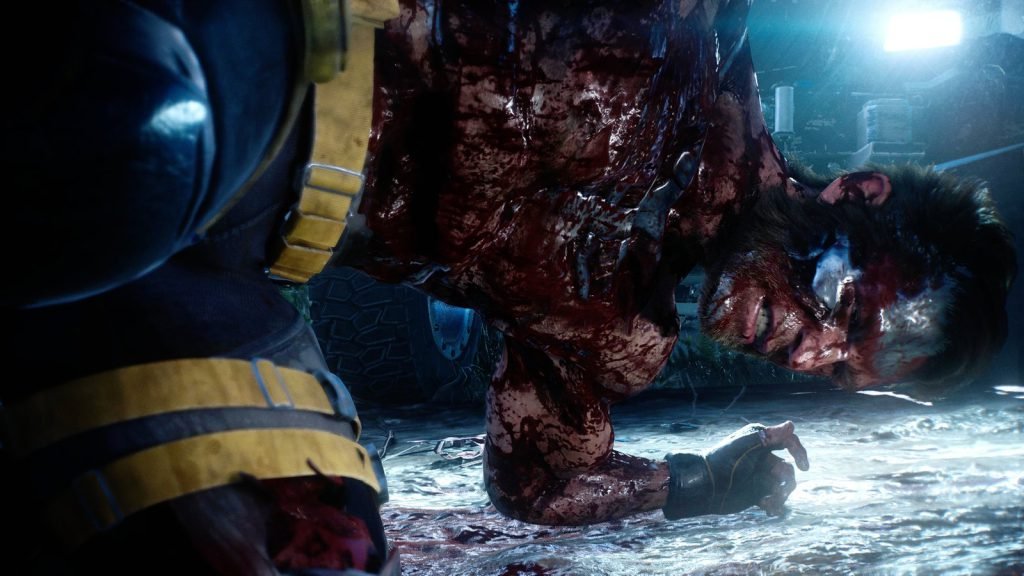
Ripping through enemies stayed satisfying throughout the game. The dismemberment, finishers and environmental kills gave the combat a kind of brutality that I was expecting from Wolverine. Combo attacks with Jean also had some of that flashy Insomniac style I liked in the Spider-Man games.
One of the smaller details I noticed was the damage and healing system in the game. Logan can get torn up badly enough that you see the adamantium underneath, and as his health regenerates, you can actually watch his body repair itself. It’s little details like that that worked for me in this game.
The problem is that I reached the limits of that combat sooner than I wanted.
Environmental kills are a good example. Using parts of the room to take Reavers or the Hand out felt great, but there weren’t enough opportunities or variety of options for them to become a meaningful part of combat.
There was one level in particular with a vat of molten metal inside the refinery that you could punt Reavers into and I loved that. Moments like that made me wish more environments gave me creative ways to use the room against enemies.
I had a similar issue with Logan’s moveset. I found attacks I liked early on in the game and got comfortable with them pretty quickly, but by the endgame, the setup I had created for Logan was starting to feel stale and I was running out of new ways to fight. Even a small extra layer like the gadgets in Insomniac’s Spider-Man games could’ve given me more ways to approach fights.
Hot claws gave me the same kind of tease. I liked using them in fights, but the effect didn’t last long enough or show up often enough to become part of how I normally fought. Towards the end of the game, I could generate Hot Claws through normal combat by successfully parrying Sentinel lasers. It made me wonder why they couldn’t have been incorporated earlier as another variation of the Helix Claws ability or something.
Some of the missing controls made that feeling even stronger. Wolverine has sections where the game expects you to sneak around, but there’s no dedicated crouch button. Instead the game decides when Logan crouches for you and that felt jarring. I had a similar issue with the defense mechanic in the game. You can parry attacks, but there’s no regular block button when you just want to minimize damage. For a game that asks you to use both stealth and timing-based defense, I kept wishing I had more control over both.
Then there were the things that were simply frustrating.
Larger enemies have attacks that seem to cover way too much distance. I could dodge back and create considerable space, only for an enemy to suddenly lunge toward Logan so the hit connected anyway, almost as if it was magnetic. It bothered me early in the game and became flat out frustrating while finishing my last gauntlet trial and the ending.
The camera gave me problems too. When Logan got surrounded or backed into a corner, I regularly got hit by enemies off-screen that I didn’t know were there, and the camera struggled to reorient itself causing me to die a lot.
I Liked the Adaptations System, I Just Didn’t Use It Much
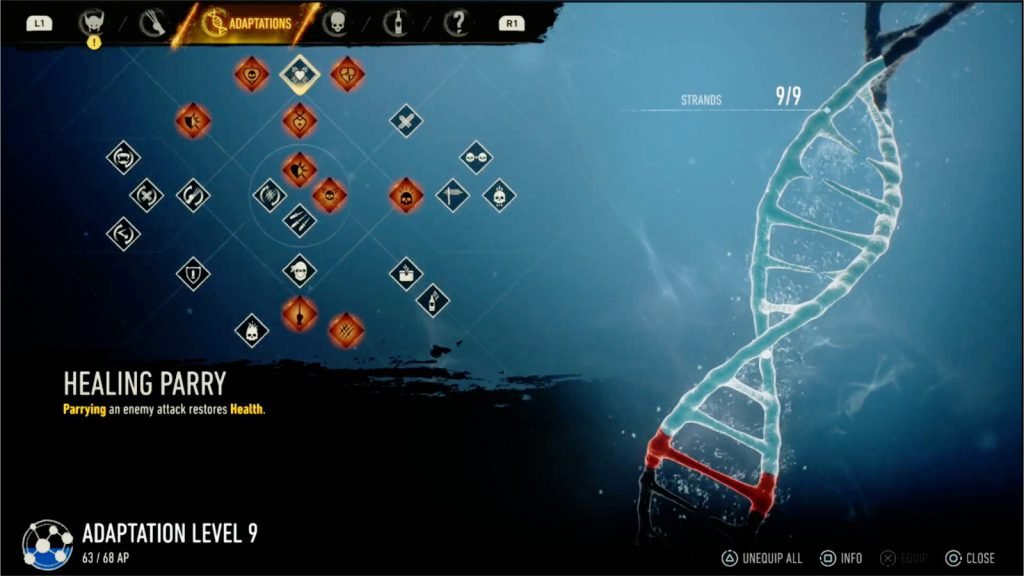
I liked the DNA system, or Adaptations, because changing perks was easy. I could create a setup for Logan and, at any point, uncheck those perks and select others without having to pay to reset everything like in other games. This gave me the peace of mind knowing that whatever perk I enabled wasn’t going to cost me further down the line.
Nightmare Doors host side content called Memory Trials. Both memory trials and collectible whisky bottles award Adaptation Points which increases Logan’s Adaptation level. These help unlock adaptation perks and additional “strands” to equip them in, which gave me a reason to complete the trials and seek the bottles out.
One of the issues I ran into is that because of how linear the game is, it doesn’t exactly give you that many perk slots. After picking my initial setup for my playthrough, I didn’t do much experimenting once I found a setup I liked.
After I finished collecting all of the chests and whisky bottles, I swapped out the perks that helped me find collectibles for ones focused on health and reducing physical damage.
I liked having all that flexibility, but the campaign didn’t really give me much reason to experiment with it.
Smaller Levels Worked for Me, but Wolverine Feels Too Restricted
I expected Wolverine being linear to bother me but by the time I rolled credits, I really appreciated how manageable the game ended up being.
Searching the smaller more contained levels for the supply chests and whisky bottles never felt like combing through a giant map like most open worlds. If I missed something, chapter replay let me go back to find them instead of starting another playthrough so completing any trophies I missed initially didn’t feel like homework.
That doesn’t mean I loved how the levels were designed though.
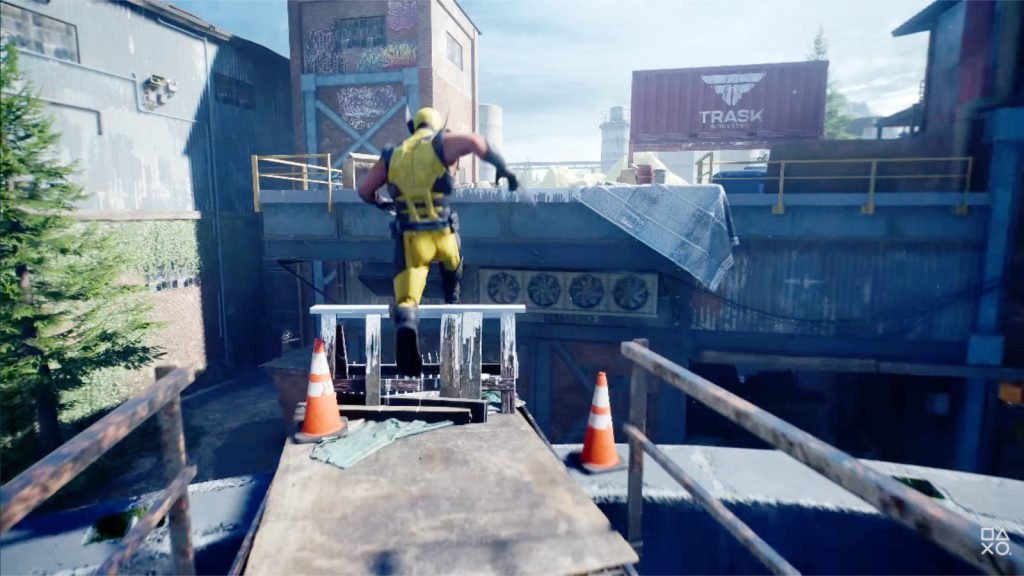
My biggest gripe was how little freedom Logan sometimes had inside of them. In most levels, there are cliffs, buildings, and other objects you’d think Logan would be able to freely climb onto for stealth kills, combos, or just a little flair added to the combat. Instead, you’re limited to specific objects to climb marked by white paint.
Jumping felt restricted in a similar way. During some really cool cutscenes, Logan would climb and leap across the environment to reach enemies or move into the next area, but once I was back in control, everything felt way more grounded than I think it should’ve been.
That bothered me more than the criticism I’ve seen about the amount of white paint telling you where to climb. I don’t have an issue with that. During my time studying animation, I learned that things like this are part of a game’s visual language…they help show players where they can go. I just wish Logan could interact with more of the environment instead of being limited to those specific paths.
Wolverine’s senses already give the game a decent way to guide the player when it needs to. Following a scent trail made sense to me because it uses one of Logan’s mutant abilities instead of relying on a traditional map.
I Wanted the Story to Spend More Time on Logan
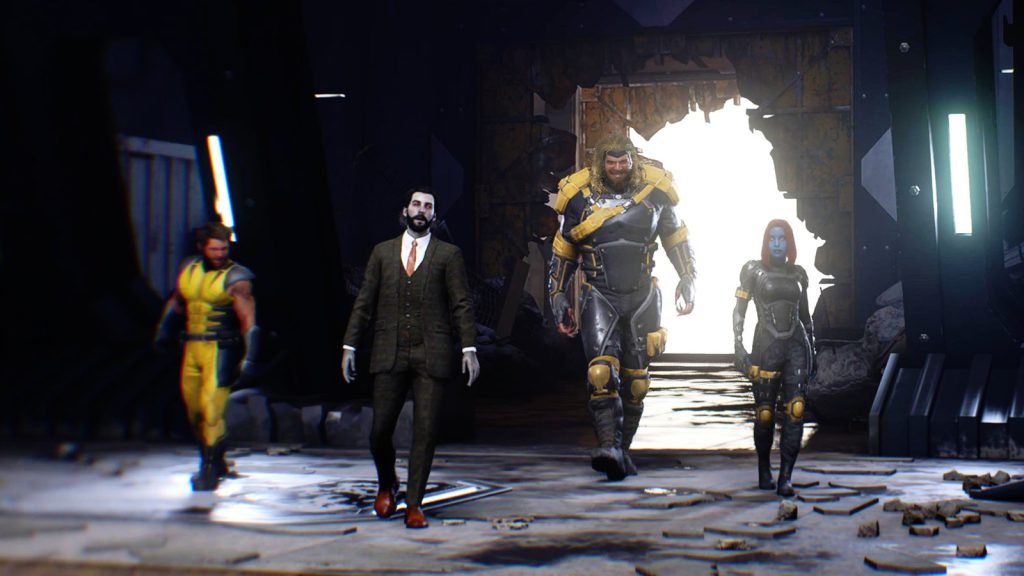
I liked the story more than I expected to, but for a game called Wolverine, it didn’t always feel like Logan’s story.
A lot of the campaign has him helping someone else or working with a group. I liked these versions of the characters, but Logan’s lost memories interested me more.
The Nightmare Trials are a missed opportunity. You unlock pieces of Logan’s history, but much of it is delivered through narrated memory enteries tied to wood carvings inside the Nightmare Cabin. I wanted to see those memories. Maybe even play through them for the story. Even short scenes from different parts of his life would have made those unlocks feel more meaningful.
Raven felt underused for the same reason. She seems important to Logan’s past, but I barely got to spend time fighting alongside her after the beginning.
Victor got a better moment during his fight with Logan, when he became surprisingly vulnerable about Logan leaving his family behind. I came away reading Victor as someone who really does see Logan like a brother, even if he usually acts like he doesn’t care.
Walter also ended up giving me one of the story’s more emotional moments. I actually found the idea behind his subplot interesting, especially the focus on dormant mutants and what it means to forcibly awaken more in a world that already hates them, even if I wasn’t always a fan of how those sections played. Without spoiling what happens, the way Walter’s story paid off near the end genuinely got an emotional reaction out of me.
So, Is Wolverine Actually That Bad?
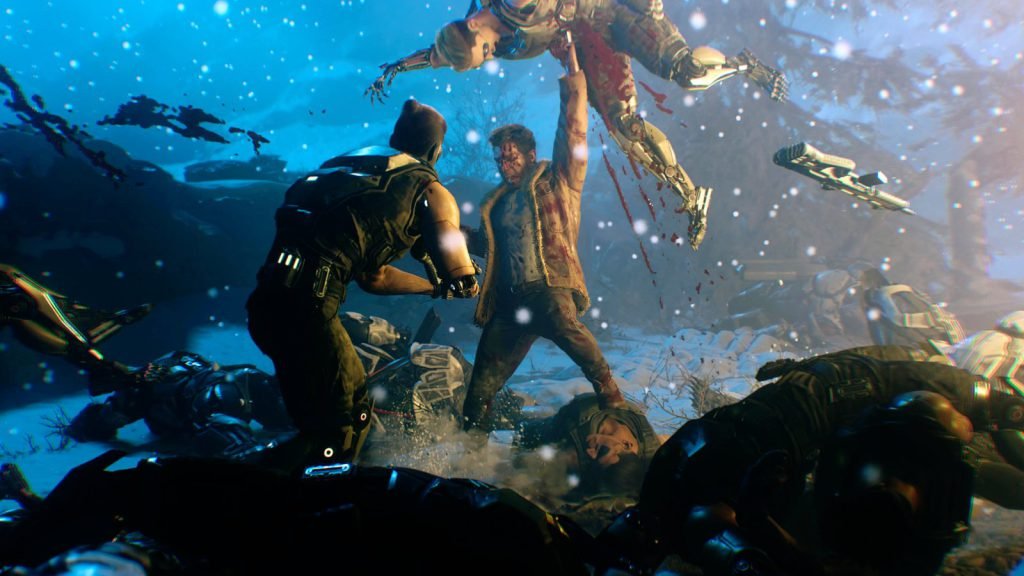
Based on the game I played, no. Wolverine has its limitations, but they didn’t stop me from having fun.
I like the smaller scope of it all when it keeps out the filler content that makes games feel like homework or turns into the thousandth fetch quest. I just don’t like it when a mechanic, character, or story idea gets interesting and then doesn’t have enough room to grow.
If you want a straightforward, cinematic single-player game with violent combat and a campaign you can finish without giving it the next two months of your life, there’s a lot to like here. If you want much deeper systems or open exploration, I’d stay away.
That’s also why I think Wolverine makes more sense on sale for most people. I’d only recommend paying full price if a shorter, more focused game is exactly what you’re looking for between the next big release that you’re anticipating like GTA VI. And if you haven’t played any of Insomniac’s Spider-Man games yet, I’d start there before picking this up.